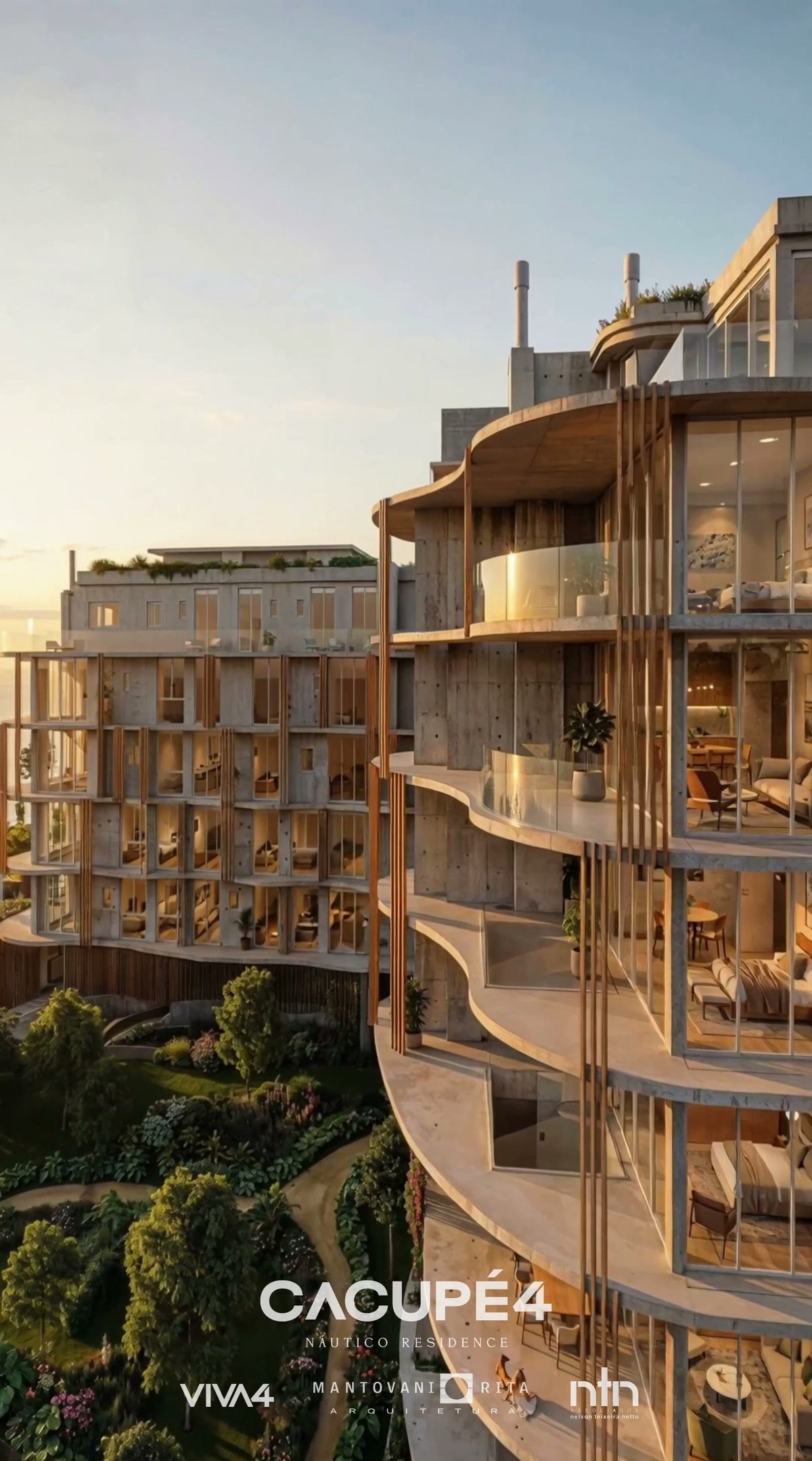
A real estate film does not start with the camera. It starts by reading the project and the place where it will exist.
The excerpt above is the opening of the CACUPÉ 4, Náutico Residence film, in Santa Catarina, Brazil. It is the final result of a path that, at Flow Prime, always goes through the same five stages. In this piece we open up each of them: what goes in, what comes out and why the order matters.
01 · Brief
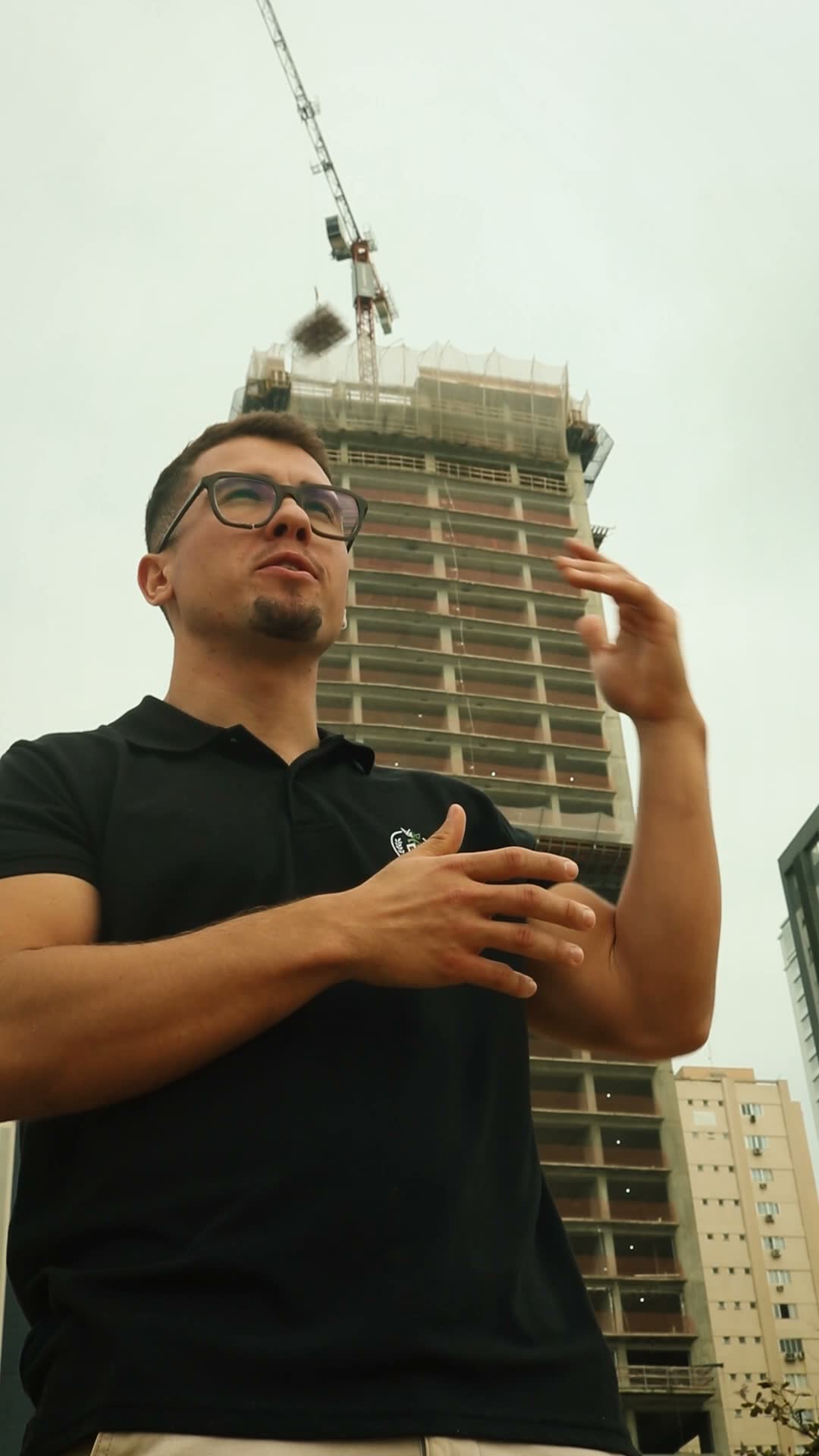
Everything starts by reading the project: the development brief, the audience and the intended positioning. Part of that reading happens in meetings and part of it on site.
What we gather at this stage
- Floor plans, sections and elevations from the architectural project.
- Specification document and finish references, when available.
- Audience and positioning: who the development is for and what it promises.
- Sales moment: pre-launch, launch or construction, and the channels where the material will circulate.
- Constraints: what is not yet defined and what cannot be shown.
An incomplete brief tends to show up later as rework. That is why we prefer to list open questions at the start rather than resolve them with assumptions during production.
02 · Site
We study the site, the surroundings and the location: views, light, access and what makes that address unique. This is where the film’s narrative is born.
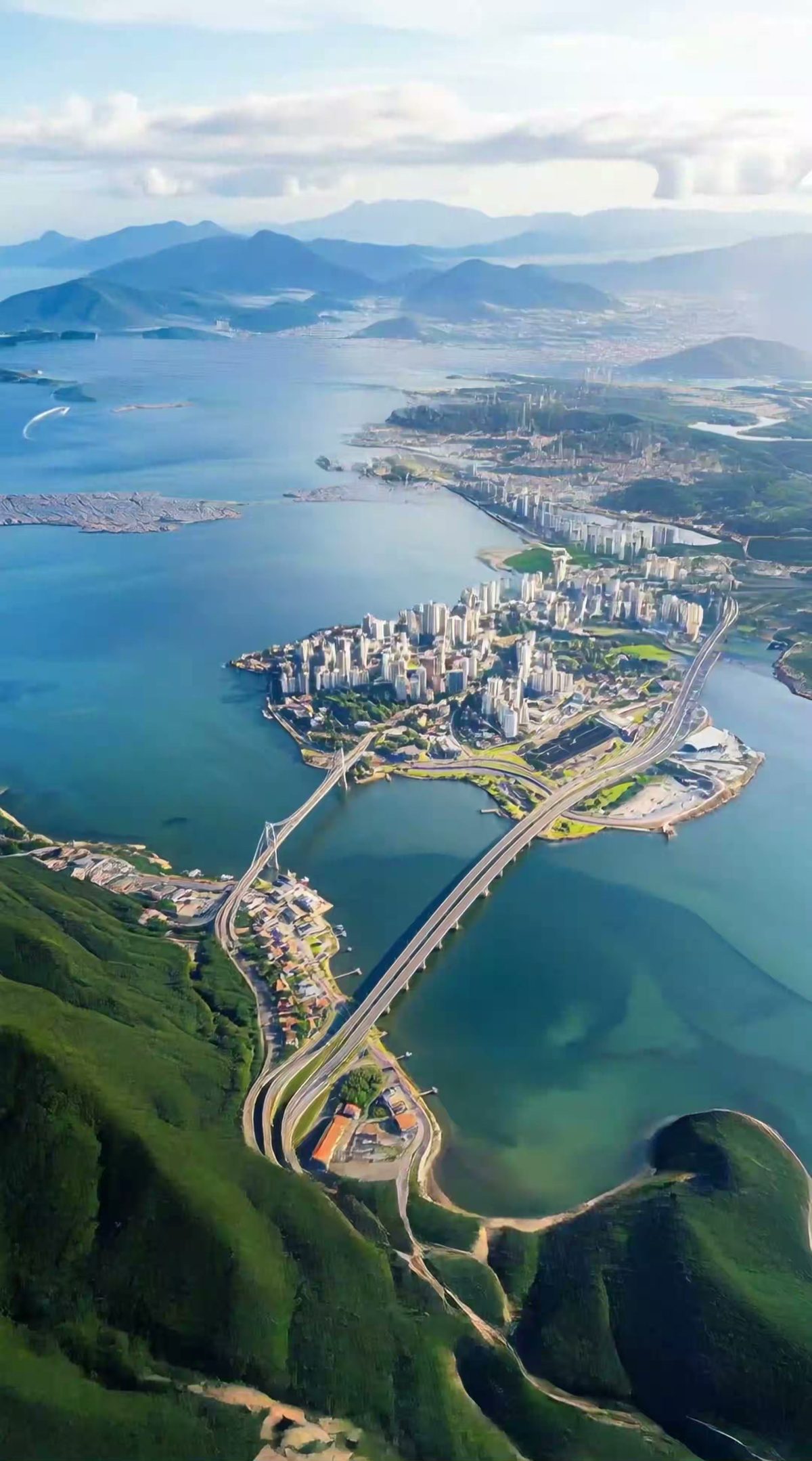
At this stage, the central question is: what does only this place offer? It might be the proximity to the sea, a view of a hill, neighborhood life or the connection with the city. The answer guides where the camera starts and which scenes the film needs. When it makes sense, aerial footage of the real surroundings complements the rendered scenes.
03 · Concept
The architectural project becomes images. We model, render and build the development’s scenes with photorealistic materials, light and atmosphere, in constant alignment with the developer.
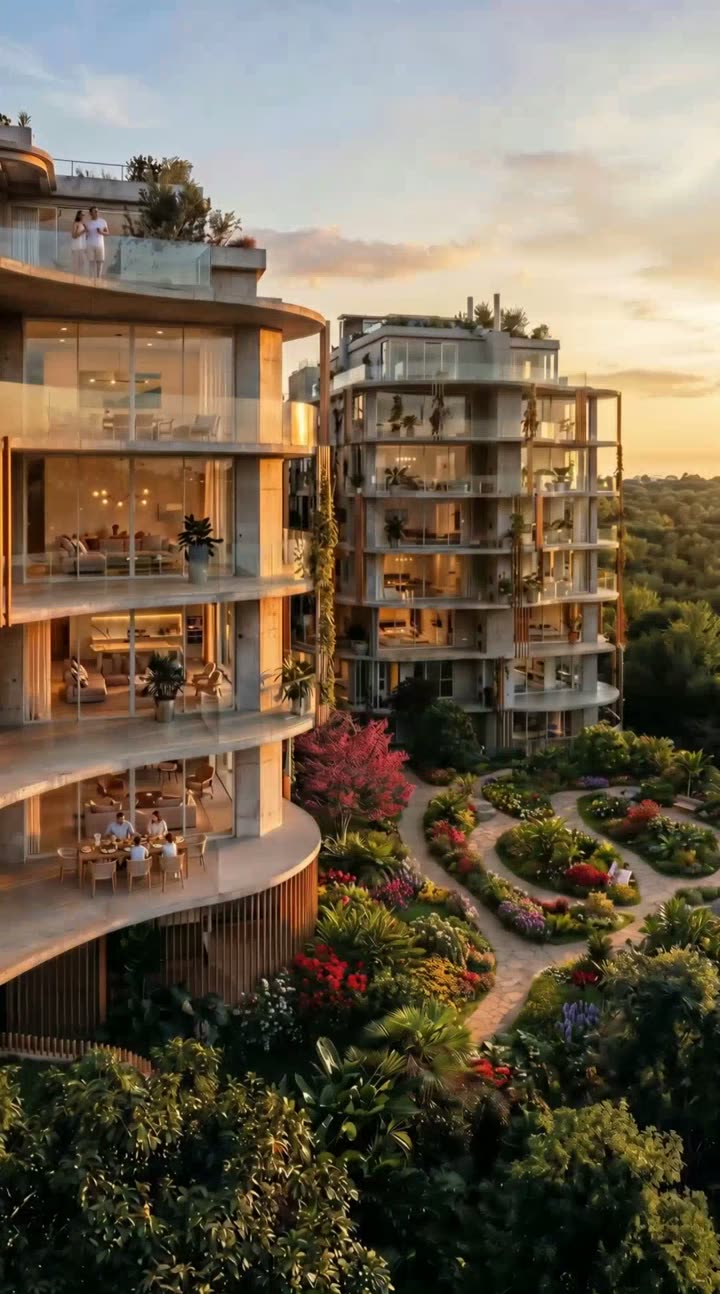
Concept and script
Before any image, we define the concept: the idea that connects the development to the lifestyle it proposes. From there, the script sets the order of the arguments: where the film starts, when the common areas come in, when the units appear and how it ends.
Storyboard
The storyboard turns the script into a sequence of scenes and framings. It is the moment to agree with the developer on what will be shown, before investing production time in each scene.
Modeling and rendering
The building is modeled in 3D from the project. Then come materials, lighting, landscaping and staging. Each scene goes through revisions so that the final image is faithful to the project and, at the same time, appealing.
Camera and direction
Even in digital scenes, the camera is directed as in a film: height, lens, movement and pace are chosen so that viewers understand the space and feel the atmosphere. Exaggerated moves may impress, but they get in the way of reading the product.
04 · Real development
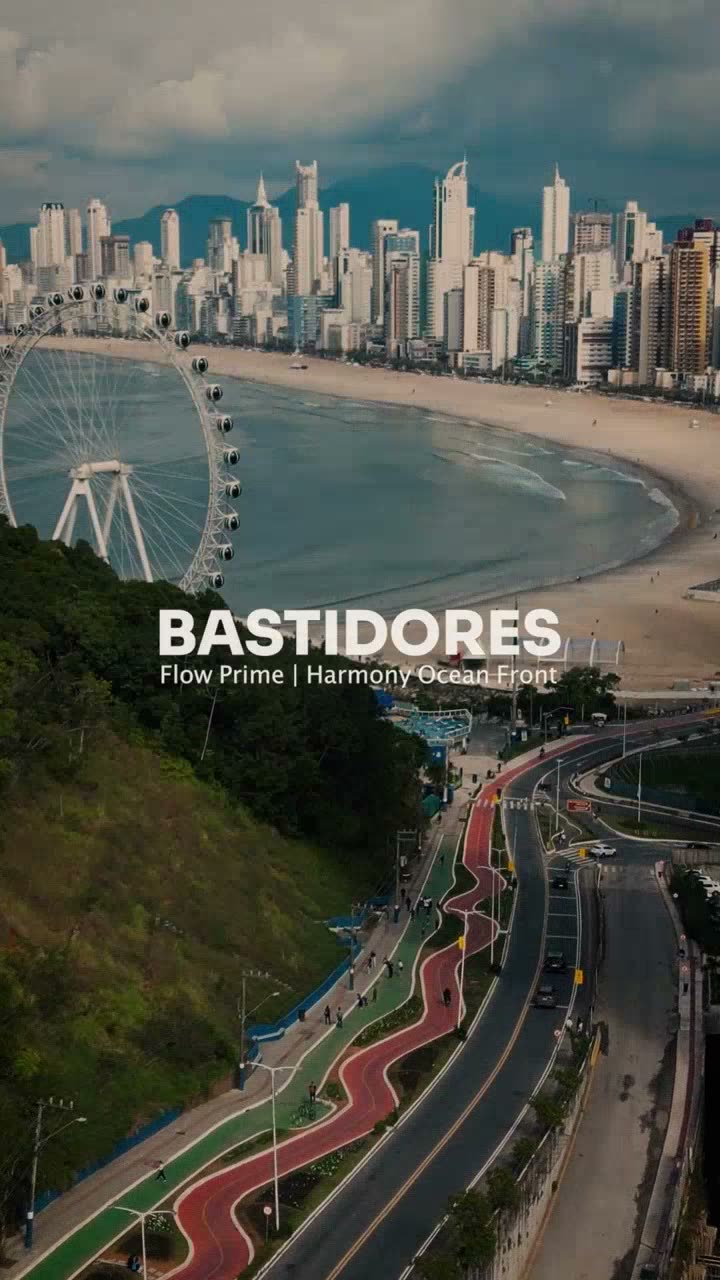
Visualization anticipates what construction delivers. Once the building starts to rise, render and construction can be compared side by side, as we did with Harmony Ocean Front. This stage closes the loop: it shows that what was presented at launch matches what is being built.
05 · Delivery
The final material is delivered in formats adapted to each use: social media, paid traffic, sales stand, digital billboards and sales presentations.

Editing and sound design
Editing sets the pace: how long each scene stays on screen and how one leads into the next. Sound design completes the experience with music, ambience and effects that reinforce the atmosphere without competing with the image. Many pieces are also designed to work without sound, since much phone viewing happens on mute.
Formats and distribution
A single film usually generates horizontal, vertical and short versions, each adjusted to the channel where it will run. Thinking about this from the script onwards avoids improvised cuts and ensures each version works on its own. See how this unfolds in one film, many formats.
Each stage reduces the risk of the next one. A clear brief avoids rework in the concept stage; a good reading of the site gives meaning to the film’s scenes.
Where the developer takes part
The film is produced by Flow Prime, but the decisions that shape the result are shared. In general, the developer takes part at four moments:
- In the brief: sends the base material and aligns audience, positioning and constraints.
- In the script and storyboard: validates the order of arguments and the scenes before heavy production.
- In the first images: checks that volumes, materials and spaces match the project.
- In the final edit: approves pace, copy, music and the versions for each channel.
Concentrating approvals at these points prevents big changes from happening late, when they cost everyone more time.
What to send to get started
The more complete the initial material, the faster the project takes shape. A good starting list includes: updated floor plans and sections, elevations, the site plan, the specification document or finish references, the development’s logo and visual identity, audience and positioning information, and the channels where the film will run. Each project’s timeline depends on the scope and on the availability of that material, which is why it is defined case by case.
Why the order matters
Skipping stages is tempting when the launch is close. In practice, though, each shortcut tends to come back as a revision: scenes redone because the base material changed, scripts adjusted after the render is finished, versions cut in a hurry for a channel nobody planned for. Following the order does not make the process slower; it makes the result more predictable.
What we learned
The stages are not bureaucracy: they are what keeps the film faithful to the product. See the full process or explore CACUPÉ 4 and its film.
To bring this work to your development, see the Flow Prime real estate films service.